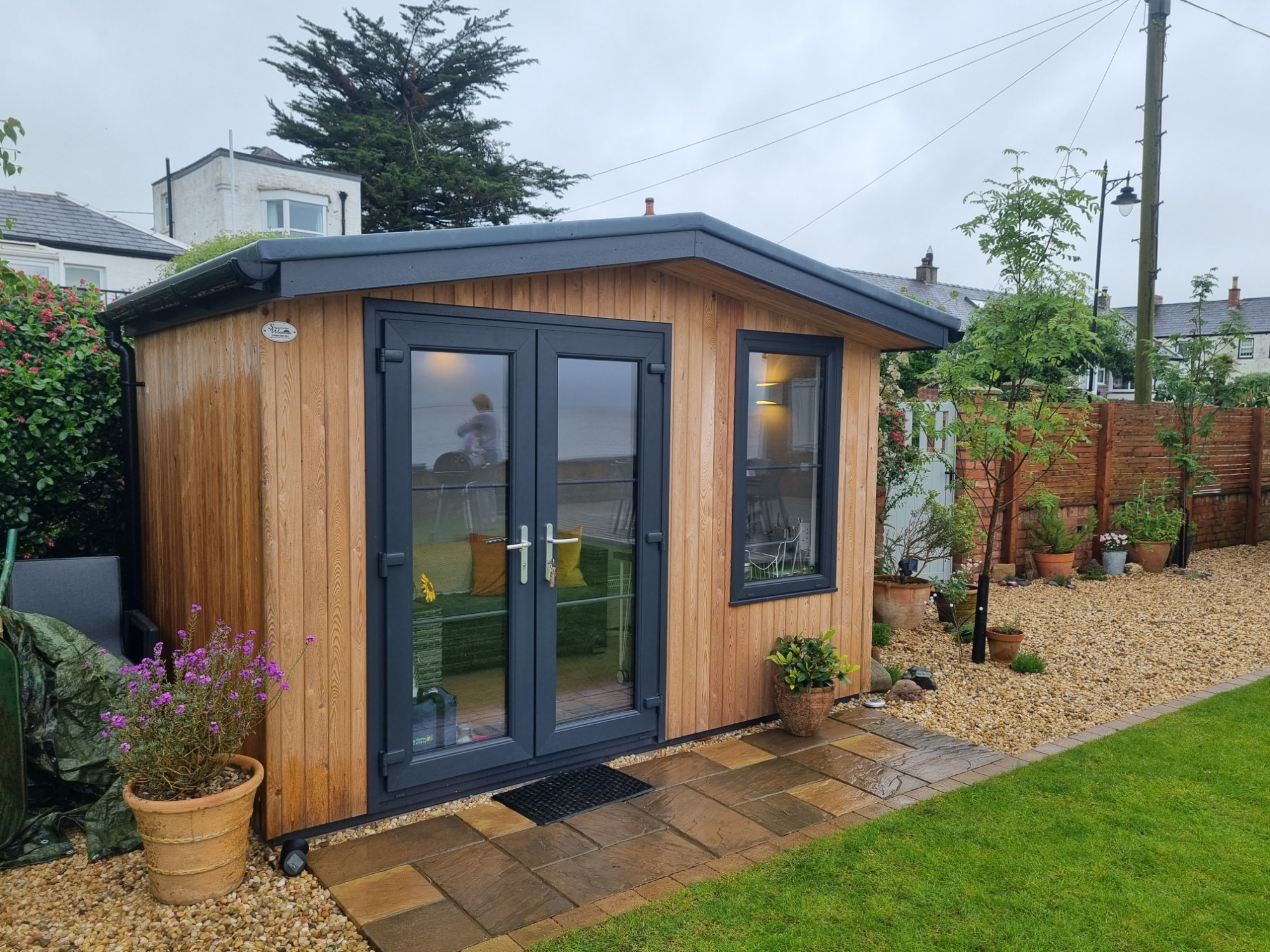
Dumfries and Galloway has what glamping guests are paying for. The Galloway Forest, home to the UK’s first Dark Sky Park. The 7stanes mountain bike trails. The Solway coast. Quiet single-track roads that city visitors describe as the whole point of the trip.
What the region has less of is places to stay that feel like the landscape they came for. That gap is exactly what glamping pods fill, and it is why farmers and landowners across Scotland are adding a pod or two to spare corners of ground as a second income.
The numbers behind the trend are real. Industry reporting puts the UK glamping market at around £170 to £180 million in 2024, with forecasts suggesting it roughly doubles by 2032 and bookings continuing to climb year on year. Staycations did not fade after the pandemic. They became a habit.
What a Pod Can Actually Earn
Every site is different, so treat any figure you read online with caution, including these. But the published patterns are consistent:
- Land productivity. Rural accommodation analysts put glamping and holiday lets at several times the per-acre income of agricultural use, often by a wide multiple.
- Payback. Advisory work with Scottish pod sites has reported payback on a basic pod in as little as two years for a well-located, well-run venture.
- Occupancy. Established family-run pod sites in the north of England have publicly reported summer occupancy around 90 percent.
- What guests pay extra for. Industry booking data suggests a wood burner lifts annual revenue by around 9 percent, hot tubs lift bookings by around 30 percent, and a water view commands substantially more per night. Features pay.
The honest caveat: those results belong to sites that treated the pods as a hospitality business, not a shed in a field with a booking link. Location, comfort and reviews decide which category you land in.
What It Costs to Start
Compared with almost any other diversification, the entry cost is modest. Industry guides put a basic glamping pod at £12,000 to £20,000, with larger en-suite and bespoke designs above that. Site preparation for a pod is famously simple: levelling, a hardcore or block base slightly larger than the footprint, and a power run from the nearest supply.
The sensible route, and the one most successful Scottish sites took, is phased. Start with one or two pods, prove the demand and the routine, then add units as bookings justify them. Because each pod is its own small building, the business scales one unit at a time without a big single bet.
Budget honestly for the parts around the pod: the access track or parking, the power run (distance is the cost driver), water and drainage if you want en-suite units, and furnishing. A £15,000 pod on a £10,000 site setup is still a fraction of what any other new building venture costs.
The Scottish Rules, Briefly
This is where doing it properly matters, and where advice written for England will mislead you.
- Planning. A pod fixed in place is likely to need planning permission. Genuinely movable units can fall under different rules, sometimes as caravans, but the safe assumption for a permanent pod site is a planning application to the council.
- Short-term let licensing. Scotland requires a licence for short-term holiday lets. Factor the application and conditions into your setup, because operating without one is not an option.
- Building warrants. The moment your plans include grey-water drainage or a septic connection, a building warrant enters the picture. This is the step most guides written south of the border miss entirely.
- Access. If your entrance onto the public road needs widening or improving for guest traffic, that can itself need permission. Councils look at access early, so you should too.
None of this should put you off. Applications for one to a handful of pods as farm diversification go through Scottish councils routinely. It simply rewards landowners who ask the questions before ordering the pod rather than after.
Income has a paperwork side too. How glamping earnings are taxed can differ depending on how the venture sits alongside the rest of your business, and VAT becomes a live question as revenue grows, so a conversation with your accountant belongs in the planning stage.
Why Build Quality Decides Everything
Here is the pattern in glamping reviews: guests happily forgive a pod being small. It is part of the charm. What they never forgive is being cold, damp or kept awake by a creaking, whistling structure in a Galloway wind.
A pod that is properly insulated in the floor, walls and roof, clad in timber that suits the climate, and fitted with decent glazing does two commercial things for you. It earns the reviews that drive bookings, and it extends your season. The difference between a summer-only pod and a year-round pod is the difference between roughly twenty weekends of income and fifty, and Dark Sky Park stargazing is at its best in the cold, clear months when a flimsy pod is unlettable.
It is also, bluntly, the difference between a pod built for a brochure and one built by a joiner who knows what this region’s weather does to a building. Bespoke also means the pod fits your site and your guests: wider beds, a covered porch for boots and bikes, a window placed exactly where the view is.
Frequently Asked Questions
How many pods do I need to make it worthwhile?
Plenty of Scottish sites run profitably on one or two. The setup costs are low enough that a single well-located pod can wash its face quickly, and phasing lets bookings fund expansion.
Do I need mains services at the site?
Power makes a pod dramatically more lettable, so a supply run is usually worth it. Water and drainage are only needed for en-suite designs. Some sites run compost toilets and off-grid setups successfully, but they narrow your market.
Can I put a pod on agricultural land?
Yes, but using farmland for guest accommodation is a change of use, so expect the planning conversation. Councils across rural Scotland deal with pod applications as farm diversification all the time.
What about running it? I already have a full-time job farming.
Changeover cleaning, a booking channel and guest messaging are the workload. Many owners keep it in the family, and letting agencies will run marketing and bookings for a share if you would rather stay hands-off.
Walk Your Ground With Us
The right first step is not ordering a pod. It is standing on the spot you have in mind and asking what the site can support: the view, the access, the power run, the drainage, the planning picture.
Signature Woodwork designs and builds bespoke timber camping and glamping pods from our workshop in Castle Douglas, built for exactly this climate. Book a free site visit and we will walk your ground with you, talk honestly about whether it works, and price a pod designed for your site rather than a catalogue.
