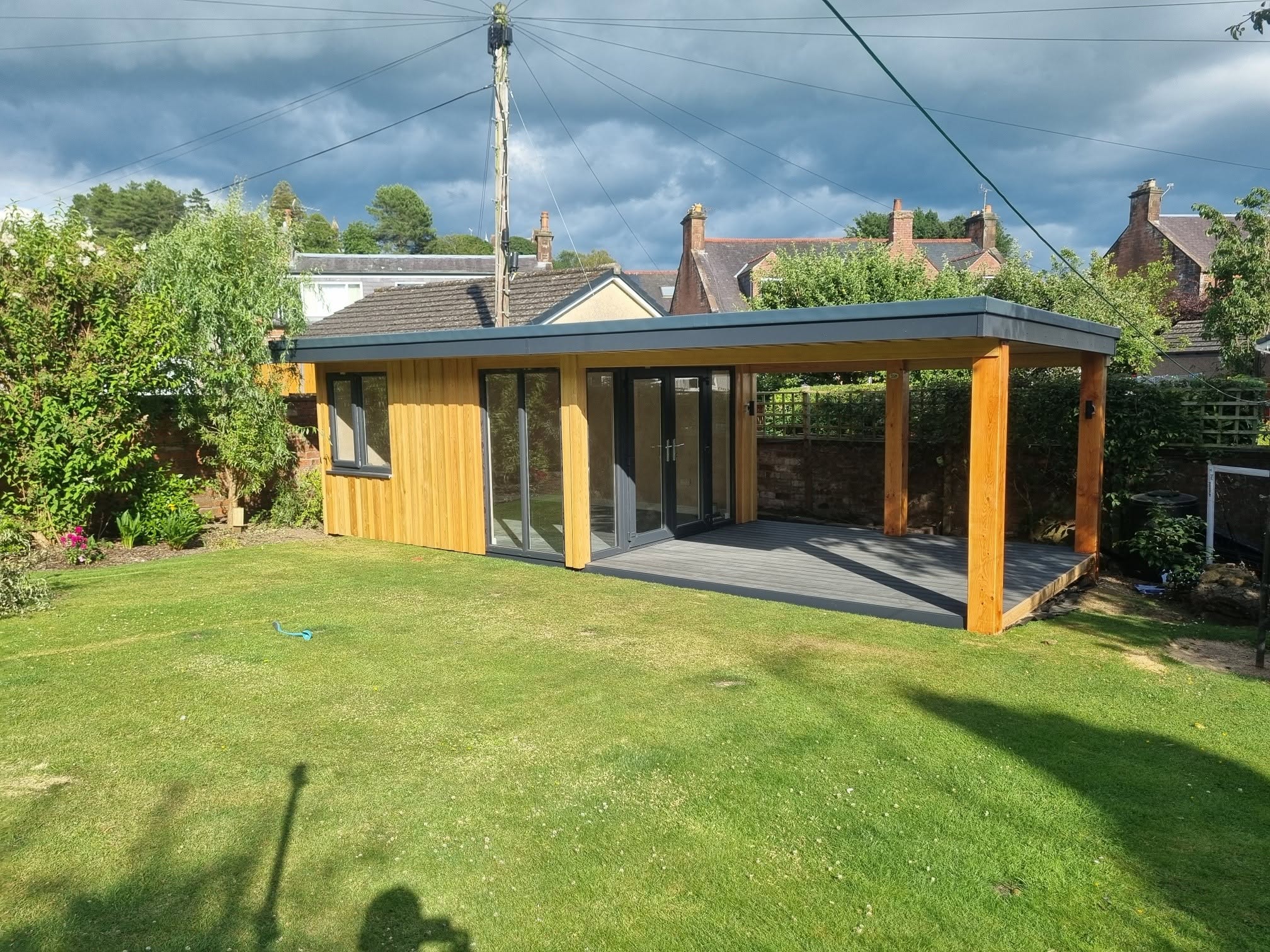
A garden room can be one of the most useful spaces in your home. It might be your office during the week, a creative studio at the weekend or somewhere quiet to exercise, entertain or simply relax.
However, if the room becomes cold and uncomfortable as soon as winter arrives, you may find yourself avoiding it for several months of the year.
The answer is not necessarily a larger heater. Keeping a garden room warm without high energy bills begins with how the building is designed and constructed. Good insulation, quality windows, controlled ventilation and properly fitted doors all reduce the amount of heat that escapes.
Once the structure retains warmth effectively, a modest heating system can keep the room comfortable without working constantly.
Start with the Garden Room, Not the Heater
When a room feels cold, the natural response is to purchase a more powerful heater.
That may raise the temperature temporarily, but it does not address why the room loses heat so quickly. If warmth is escaping through the walls, floor, roof, windows and gaps around the door, the heater must keep replacing it.
This increases energy use without necessarily making the room feel consistently comfortable.
A well-insulated garden room works differently. It slows the movement of heat through the structure, allowing the space to warm up more quickly and retain that warmth for longer.
The heating system then maintains the temperature rather than fighting against continuous heat loss.
Make Sure the Whole Building Is Insulated
Insulating only the walls is not enough.
A garden room has several surfaces exposed to the outdoor temperature. Heat can escape through the roof, walls and glazing, while a cold floor can make the entire room feel uncomfortable even when the air is warm.
An effective insulation envelope should consider every part of the structure.
Insulated Walls
The walls need enough insulation to reduce heat transfer while also managing moisture correctly.
The construction method, insulation type and thickness should be selected as part of the overall design. The internal lining, external cladding, membranes and ventilation strategy all need to work together.
Simply adding insulation material without understanding moisture movement can increase the risk of condensation within the structure.
This is why insulation should be designed into a garden room rather than treated as an optional upgrade after construction.
An Insulated Roof
Warm air rises, making the roof an important part of the building’s thermal performance.
The roof needs a suitable insulation layer along with weatherproofing and moisture control. Poorly detailed junctions around roof edges can also create cold areas where heat escapes more easily.
A quality roof does more than keep rain out. It helps the room maintain a stable internal temperature throughout the year.
Floor Insulation
The floor is easy to overlook because heat loss is less visible than a draught around a door.
However, a cold floor can make a garden room feel chilly even when the thermostat shows a reasonable temperature. This is particularly noticeable when the room is used as an office, studio or gym and you spend long periods in the same place.
Insulating beneath the floor helps separate the internal space from the colder ground or air below. The correct approach will depend on the base and construction system used.
A rug may make the surface feel more comfortable, but it is not a replacement for proper floor insulation.
Reduce Thermal Bridging
Thermal bridging occurs where heat can travel more easily through a less-insulated part of the structure.
This can happen around framing, corners, doors, windows and junctions between the walls, floor and roof. These areas may feel noticeably colder and can sometimes attract condensation.
Careful construction helps maintain continuity around the insulation layer. This reduces cold spots and improves the performance of the room as a complete building.
It is one of the differences between a basic garden building and a garden room designed for genuine year-round use.
Choose Energy-Efficient Windows and Doors
Glazing brings natural light into a garden room and creates a visual connection with the garden. It can also be one of the main routes for heat loss if the wrong products are used.
Quality double glazing will generally retain warmth better than basic single-glazed windows. The frames, seals and installation are also important.
A high-performance window can still allow draughts if it has not been fitted correctly.
Doors should close securely and maintain consistent contact with their seals. Large glazed or folding doors can look fantastic, but their thermal performance needs to suit the intended use of the room.
If the room will be occupied every day throughout winter, glazing should be chosen as part of the thermal design rather than based on appearance alone.
Check for Unwanted Draughts
A cold stream of air around a window or beneath a door can make a room feel uncomfortable and cause the heating to run for longer.
Check seals, frames, thresholds and service penetrations for gaps. Even a small opening around a cable or pipe can allow cold air into the room.
Draught proofing helps reduce uncontrolled air leakage, but ventilation should not be blocked in the process. The Energy Saving Trust advises distinguishing unwanted draughts from the controlled ventilation required to protect air quality and manage moisture.
A properly built garden room should feel sealed against unwanted cold air while still having an appropriate way to ventilate the space.
Do Not Forget Ventilation
Keeping a garden room warm does not mean sealing it permanently.
People release moisture through breathing, while heaters, wet coats, plants and hot drinks can all contribute to internal humidity. Without ventilation, that moisture may settle on cold windows and other surfaces.
Regularly ventilating the room helps manage humidity and maintain healthy indoor air.
The key is control. Leaving a window open for hours while the heating is running wastes energy. Short periods of purposeful ventilation may be more effective than allowing a constant accidental draught.
The ventilation strategy should reflect how the room is used. A home gym, beauty studio or workspace occupied all day may require more ventilation than a room used occasionally.
Choose the Right Heating for the Space
Once the room is properly insulated, you can choose a heating system based on how and when the space will be used.
There is no single best heater for every garden room. A home office occupied five days a week has different needs from a weekend hobby room.
Electric Panel Heaters
A thermostatically controlled electric panel heater is a straightforward option for many garden rooms.
It can warm the air relatively quickly, requires no connection to the home’s central heating and can be controlled independently.
Look for a model with a timer and accurate thermostat. These controls allow you to heat the room when it is needed rather than leaving the system running unnecessarily.
The heater should be appropriately sized for the room. An undersized unit may run constantly, while an excessively large heater may create uncomfortable temperature swings if the controls are poor.
Electrical installation should always be completed by a suitably qualified professional.
Infrared Heating
Infrared heaters warm people and surfaces directly rather than relying entirely on warming the surrounding air.
This can make them useful in spaces occupied for shorter periods or in a defined working area. They may provide a feeling of warmth quickly without heating every part of the room to the same temperature.
Placement is important because the heat needs a clear path towards the occupied area. An infrared panel blocked by furniture will be less effective.
Whether this option is suitable will depend on the room’s layout, use and desired comfort.
Electric Underfloor Heating
Underfloor heating creates an even warmth across the floor and keeps wall space free for furniture and storage.
It can be particularly appealing in garden studios, gyms and rooms with large areas of glazing. However, it may take longer to change the room temperature than a panel heater.
That makes it more suitable for spaces used regularly and according to a predictable schedule.
The flooring material and insulation beneath the system will affect its performance. Without good insulation below, some of the heat may travel in the wrong direction.
Small Air-to-Air Heat Pumps
An air-to-air heat pump can provide efficient heating and may also offer cooling during warmer weather.
This can be useful for larger garden rooms or spaces used as full-time offices, studios and treatment rooms. However, the installation cost and external equipment may not make sense for every small or occasionally used building.
The system should be specified by an experienced professional who can assess the room’s heat demand, positioning and electrical supply.
Portable Heaters
Portable heaters can provide occasional warmth, but they are not always the best long-term solution for a garden room used regularly.
They take up floor space, may have limited controls and can be moved into unsuitable positions. They should never be covered or placed close to combustible materials.
If the same portable heater is running every day throughout winter, a permanent thermostatically controlled system may provide better comfort and convenience.
Use a Thermostat and Timer Properly
Heating controls can make a significant difference to energy use.
A thermostat switches the heater off once the room reaches the selected temperature. A timer or programmable control allows it to operate around your routine.
If you use the garden room from 9am, you can schedule the heating to begin shortly beforehand instead of turning it on at the start of the day and waiting in a cold room.
Likewise, the heating can switch off automatically when the room is normally empty.
Avoid setting the thermostat unusually high in an attempt to warm the room faster. The higher setting does not necessarily make the heater produce warmth more quickly. It may simply continue heating for longer.
Choose the lowest temperature that feels comfortable for the activity taking place.
Heat the Room Around How You Use It
A garden room does not necessarily need to remain at the same temperature around the clock.
If it is used only during office hours, there may be little value in maintaining full comfort overnight. If it is used for an occasional evening, heating can be scheduled around that period.
Consistency may still be helpful during very cold weather, particularly where the room contains plumbing, sensitive equipment or materials affected by low temperatures.
The most efficient strategy depends on the room and what is stored inside it.
Smart controls can make this easier by allowing you to check and adjust the heating remotely. This is particularly useful when your schedule changes.
Use Natural Sunlight Where Possible
The position and orientation of a garden room can affect how it feels throughout the day.
Winter sunlight entering through well-positioned glazing can provide useful natural warmth. However, large areas of glass may also increase heat loss after sunset and contribute to overheating in summer.
The design needs to balance daylight, views, privacy and thermal performance.
Blinds or curtains can help make the room feel more comfortable in the evening. They should not block heaters, ventilation openings or create conditions where condensation remains trapped against cold glass.
Arrange Furniture to Improve Comfort
Where you sit can be almost as important as the temperature shown on the thermostat.
A desk positioned beside a cold window or directly in the path of a draught may feel uncomfortable even when the rest of the room is warm.
Move seating away from cold surfaces where practical. Do not place large furniture immediately in front of heaters, as this can restrict the movement of warmth around the room.
In a home office, keeping your main working area within the comfortable part of the room may allow you to use a slightly lower thermostat setting without feeling cold.
Use Energy-Efficient Lighting and Equipment
Heating may be the main concern during winter, but lighting and office equipment also contribute to the garden room’s energy use.
LED lighting provides efficient illumination during darker mornings and evenings. Task lighting can be used over a desk or workbench so the entire room does not always need to be brightly lit.
Switch off computer monitors, printers, chargers and other equipment when they are not needed. Leaving several small devices running continuously can add unnecessary energy use over time.
If the garden room is used for a business, smart plugs and timers may help prevent equipment being left on overnight.
Maintain the Garden Room
A garden room’s performance can change if small maintenance issues are ignored.
Inspect window and door seals for wear. Check the exterior cladding and roof for damage, and make sure gutters and drainage remain clear.
Water entering the structure can reduce the performance of some materials and create damp conditions that are harder to heat.
If the room suddenly feels colder than it did previously, look for changes. A failed seal, damaged door adjustment or newly developed draught may be responsible.
Regular maintenance protects both the comfort of the room and the building itself.
What If Your Existing Garden Room Is Always Cold?
If an existing garden room is expensive to heat, begin by identifying where the heat is escaping.
Look for draughts around the doors and windows. Check whether the floor feels particularly cold and whether condensation appears in specific areas.
You may need a professional assessment to understand the wall, roof and floor construction. Adding a larger heater without addressing the building fabric could increase the bill while providing limited improvement.
Some buildings can be upgraded with better seals, additional insulation or improved glazing. The feasibility will depend on how the original structure was built.
A Summerhouse Is Not the Same as an Insulated Garden Room
A lightweight summerhouse may be ideal for storage or occasional use during warmer months. It is not automatically suitable as a daily winter workspace.
A garden room intended for year-round use requires a different level of construction. Insulation, glazing, electrical provision, moisture management and interior finishes all need to support regular occupation.
If you know from the beginning that the room will be used as an office, studio, gym or business space, tell the designer. The intended use should guide every major specification decision.
Signature Woodwork’s custom garden rooms are designed around how each client plans to use the space, rather than forcing every customer into the same standard building.
Design for the Scottish Climate from the Beginning
Dumfries and Galloway experiences cold, wet and windy conditions, so a garden room needs to respond to more than the temperature alone.
Weatherproof external materials protect the structure, while quality construction reduces unwanted air leakage. Insulation and controlled ventilation help maintain a more stable internal environment.
A garden room built around Scottish conditions will be easier to heat than a basic building designed primarily for occasional summer use.
You can see how these details come together in Signature Woodwork’s garden room projects, including insulated home offices and purpose-built studios.
Ready for a Garden Room You Can Enjoy All Year?
A garden room should not become an unused corner of the garden every time winter arrives. With proper insulation, quality glazing, controlled ventilation and efficient heating, it can remain warm, practical and welcoming throughout the Scottish seasons.
Signature Woodwork designs and builds bespoke garden rooms across Dumfries and Galloway. Each room is created around the client, the property and the way the finished space will be used.
Whether you are planning a home office, creative studio, gym, entertainment room or place to run your business, we can help you create an insulated space designed for genuine year-round comfort.
Contact Signature Woodwork today or call 01556 514000 to arrange a free consultation and start planning your bespoke garden room.
Frequently Asked Questions
Are garden rooms warm enough to use in winter?
A properly insulated garden room with quality glazing, good draught control and suitable heating can remain comfortable throughout winter.
What is the cheapest way to heat a garden room?
The most economical option depends on the size, insulation and frequency of use. A thermostatically controlled electric heater may suit a smaller room, while other systems may be better for regular use.
Should a garden room floor be insulated?
Yes, if the room is intended for year-round occupation. Floor insulation reduces heat loss and helps prevent the room from feeling cold underfoot.
Is underfloor heating suitable for a garden room?
It can be suitable, particularly in rooms used regularly. Its performance depends on the flooring, controls and insulation beneath the heating system.
Should I leave garden room heating on all winter?
Not necessarily. A timer and thermostat can match the heating to your routine. However, rooms containing plumbing or temperature-sensitive equipment may need additional protection in very cold weather.
Why does my garden room feel cold despite having a heater?
The room may be losing heat through poor insulation, glazing, draughts or thermal bridges. An oversized heater will not correct weaknesses in the building itself.
Can an existing garden room be insulated?
Some garden rooms can be upgraded, but the best approach depends on the original wall, floor and roof construction. The building should be assessed before materials are added.
